

When the IT’s working, you hardly notice it – but when it isn’t, Dario’s the one to turn to
In this interview, Dario Di Francesco offers a personal insight into his day-to-day work in IT support. He talks about technical challenges, interacting with colleagues, and why a great deal of patience is sometimes just as important as technical knowledge and experience.
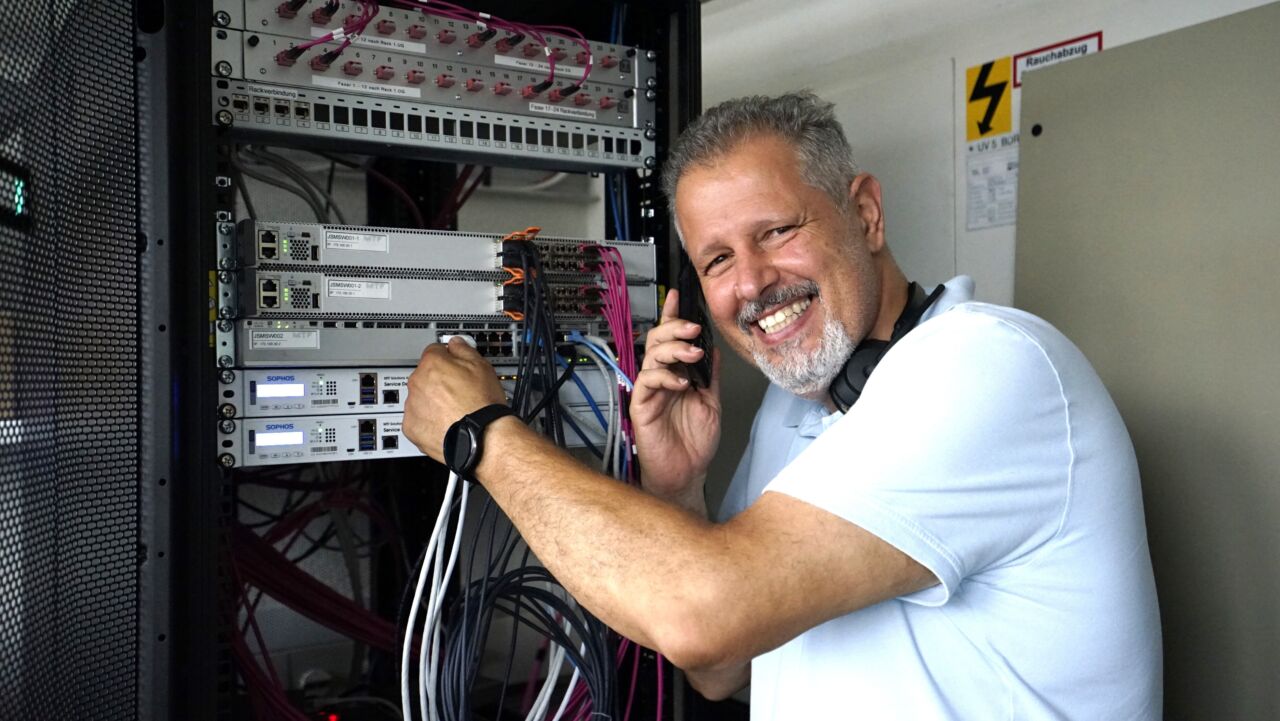
Dario Di Francesco in action: A behind-the-scenes look at our internal IT and the technical infrastructure that reliably supports everyday work at SCHNEEBERGER.
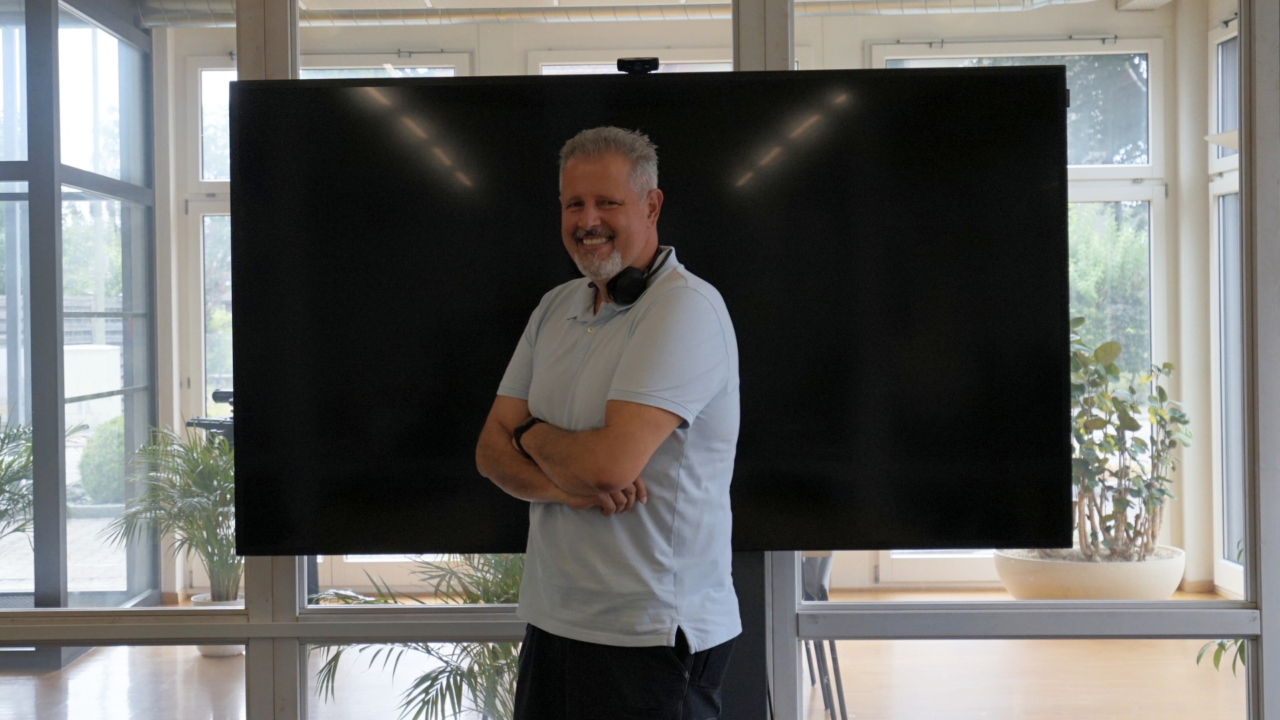
In the interview, Dario Di Francesco gives a personal insight into internal IT at SCHNEEBERGER and shows how important stable systems, technical understanding and direct support are in daily operations.
1. How did you originally get into IT support, and what sparked your interest in this field?
I originally got into IT through software development. After that, I worked as a computer specialist and in customer support, and later supported the Managed-Service-Team. Over time, I took on more and more responsibility for internal IT. I particularly enjoy the mix of technology and interacting with colleagues.
2. How have the most common IT problems and inquiries changed over the years?
In the past, the concerns were often passwords, printers, PCs or individual programms. Today, security, access rights, backups and stable systems have become much more important. This also means that not everyone can access everything anymore. Clear rights and rules protect data and help to reduce risks.
3. What skills and qualities do you consider most important for success in IT support?
You need patience, a willingness to listen and sound technical knowledge. It’s also important to be able to explain problems clearly – not everyone speaks the language of IT. As technology is constantly evolving, you need to be prepared to keep learning and to set the right priorities.
4. What are some of the most common misconceptions people have about IT support?
Many people think that IT support only steps in when something isn’t working – and spends the rest of the time drinking coffee. Coffee might well be part of the job, but a lot happens behind the scenes: updates, backups, security, monitoring and system improvements. You can often tell that IT is doing a good job when as few problems as possible arise.
5. Which new technologies or developments in the IT sector excite you the most, and why?
I find the virtualisation of systems and applications particularly exciting. It makes it easier and more flexible to manage workstations and programms. For me, new technology is useful if it helps staff, improves security or reduces downtime.
6. What do you enjoy most about your work in IT support, and which aspects do you find most challenging?
What I enjoy most is being able to help colleagues quickly and then getting everything back up and running. The variety is also great, no two days are exactly the same. The challenge lies in analysing complex problems myself and finding lasting solutions. However, when it comes to critical security or specialist issues, I make sure to bring in MTF-Solutions at the right time. You don’t have to solve everything on your own – what matters is that it’s solved properly.
Thank you, Dario – your expertise and helpfulness are a real asset to our company’s success!
Categories
All posts
- At the SCHNEEBERGER Summer Festival, the hornuss balls fly 150 meters, and the dogs run at speeds of up to 70 km/h
- TORTOUR Triumph: Edith and René from ZN-Sport Win Again in the 500 Mix Category
- SCHNEEBERGER at Woodworking Show IWF Atlanta
- The SCHNEEBALLER Maschinen take home a surprising 4th place finish at the Steckholzer football tournament
- Achieving more Together: The SCHNEEBERGER Service Seminar 2026 in Roggwil, Switzerland